Friday, 21 December 2018

Naomi's summer learning journey!

This task was a part of the SLJ (summer learning journey) Programme. This week is about A PLACE TO STAND. this activity was about what i think about my hometown which is Auckland, New Zealand. This was really easy for me because I really life my hometown and it was really fun to share it with you guys.

Activity 2: North and South
The country of New Zealand is made up of two main islands – the North Island and the South Island. Approximately 77% of the New Zealand population live in the North Is
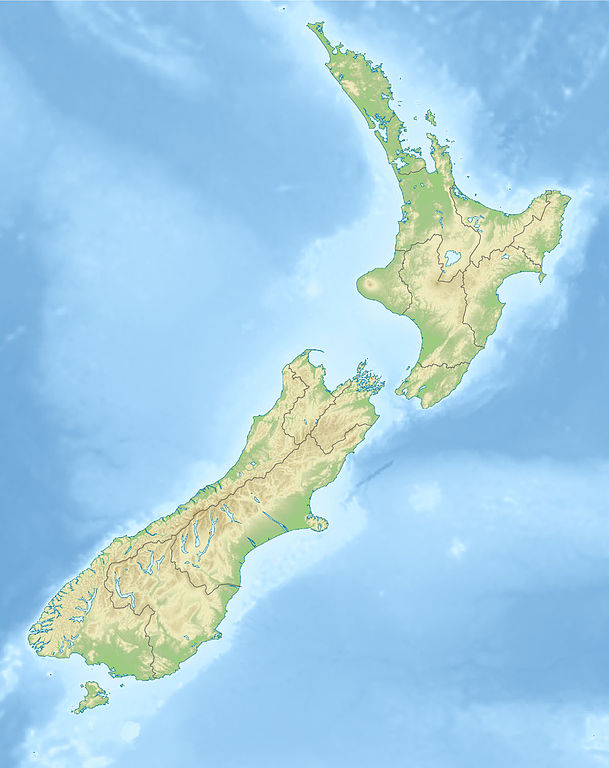
land. Many of these people (including our Summer Learning Journey design team) live in Auckland city. Auckland is a great place to live with lots of amazing parks, beautiful waterways and stunning scenery to enjoy. It is also a busy, vibrant city with many cafes, museums, galleries and theatres to visit. I feel lucky to call Auckland my ‘hometown.’
Now it is time to think about your hometown. What is special about where you live? On your blog, describe your hometown. Be sure to include lots of describing words (adjectives) in your post.
-----------
Auckland, New Zealand. What a wonderful place. All of the amazing suburbs within the city. All the many cafes, movie theaters, museums and also the great Sky tower. I am really happy to call Auckland, New Zealand my home because it is where I grew up and I just the community in Auckland and also the great scenery's. it is special to me because we were the first to let woman vote alongside with men, but also it is special to me because I feel safe in this environment and community. Last but not least, I love the people in Auckland Because the are really Nice and very helpful.


Thursday, 22 November 2018

Marti

Image result for creeped out Marti

Check out "Marti" an episode from Creeped Out that is another example of a technological thriller. 

First write a short summary of the episode (without giving the ending away).

Second what is the main theme of this video and the text that we have been reading in class? What message is the author trying to convey?

Friday, 16 November 2018

Lamb to the Slaughter


In literacy we have been reading slightly longer and more complex texts to prepare for college. Check out what Venice created below - her story is linked on the last slide.


Wednesday, 7 November 2018

Lest We Forget

This year Room 4 created a movie in remembrance of the world wars. We found out that this November marks 100 years since Armistice day, which was the last day of WW1. Check out our movie 100 years:


We created this movie to show the difference between our expectation of war and the reality of war. In the beginning the students are playing a war game, but at the end they experiencing the war as real soldiers. Our writers put in a lot of thought to our story, so you might notice some symbolism and metaphor in our movie. What do you think the holi powder represents?

Monday, 15 October 2018

Expressing meaning through art

This morning at PES we attended our termly immersion assembly. In these assemblies, the teachers present something that will inspire the learners about the theme of the term. This terms them is te wa toi - art time!

The team 5 created a skit in which the 'students' of an art class created images that expressed different meanings. For example, the use of the colour blue represented sadness, while a square represented a confined space.

In response to this, Room 4 Literacy decided to create a piece of art that represented their holidays. This could be literal (e.g. I drew the beach I visited) or figurative (e.g. I drew the sun because my holiday was filled with joy).

Can you guess what the meaning of these images above could be? Bonus if you can write a story that accompanies the picture below - believe it or not, it's creator came up with a wonderful justification about the meaning of the piece.

Tuesday, 2 October 2018

Debating!

This morning Room 4 Literacy participated in a formal debate about Fortnite. We gathered some information about the game and wrote a clear paragraph that described one reason why we thought it should or should not be banned for children under 13.


We then staged a formal debate between members of the Dahl and Ihimaera reading groups, while the rest of the class judged the strength and clarity of each speakers arguments.

We found that the Dahl girls had written clear arguments that were backed up with a lot of facts - this made them harder to rebut and encouraged our audience to agree with what they were saying.

While the boys arguments contained less factual information, they spoke with great confidence and they constructed very strong rebuttals arguing the points the girls were making. This displayed the difference between oral and written language to us all - while the girls arguments were perhaps stronger on paper, the boys delivery and clever rebuttals made it a close debate!

Thursday, 6 September 2018

Nelson Mandela

In literacy Hilary was researching famous upstanders. Check out her DLO with facts about Nelson Mandela.